Memory Supplements: What Actually Has Evidence (2026 Guide)
Most memory supplements promise more than the research shows. Here's what studies actually say about B12, multivitamins, bacopa, omega-3, ginkgo and others, how to spot red flags, and the everyday habits that matter more.
Reader-supported: if you buy through links on this page, we may earn a commission at no extra cost to you. It never changes what we write. How we research.

In this article
- Can Memory Supplements Really Help?
- Memory Supplements Rated by Evidence
- The Supplements Worth Knowing About
- What Memory Supplements Can't Do
- Red Flags When Shopping for Memory Supplements
- How to Choose a Memory Supplement
- The Basics That Matter More Than Any Pill
- When Memory Changes Need a Doctor
- Where Memovance PRO Fits
- FAQ
Walk down any supplement aisle and you'll find dozens of bottles promising a sharper memory, better focus and a "younger brain." The research tells a quieter story. A few supplements have decent evidence in specific situations, several have mixed results, and many have almost none.
This guide rates the most popular memory supplements by the quality of the human evidence behind them. It also explains what supplements can't do, how to spot red flags and which everyday habits have stronger support than any capsule. It's general information, not medical advice.
Key takeaways
- According to NIH reviews, no supplement has been proven to protect against dementia or Alzheimer's disease.
- The clearest win is fixing a deficiency. Low vitamin B12 can cause memory problems, and correcting it addresses that cause.
- A daily multivitamin modestly improved memory in a large 3-year trial of older adults. Bacopa has small benefits for attention speed, and DHA helped in one trial of people with mild age-related memory complaints.
- Ginkgo didn't lower dementia risk or slow decline in a large 6-year trial, and it can raise bleeding risk with blood thinners.
- Sleep, exercise, hearing care and blood pressure control matter more than any pill. Sudden or worsening memory loss needs a doctor, not a supplement.
Can Memory Supplements Really Help?
Some can help a little, in the right person. "In the right person" is the important part.
Memory depends on sleep, mood, blood flow, hormones, medications and nutrition. A supplement can only help if it addresses something that's actually holding your memory back, which is why vitamin B12 can matter a lot for someone who is deficient and very little for everyone else.
The National Center for Complementary and Integrative Health (NCCIH), part of the NIH, reviewed the research and concluded that direct evidence that supplements protect against cognitive decline, dementia or Alzheimer's disease is lacking. A few trials of natural products show modest effects. That's the honest backdrop for everything below.
It also helps to know what normal aging looks like. The National Institute on Aging (NIA) explains that taking longer to learn something new, misplacing things now and then or occasionally forgetting a word are common with age and usually aren't signs of a serious memory problem.
Memory Supplements Rated by Evidence
Here's how the most popular options compare. "Evidence" means studies in people, not lab or animal research.
| Supplement | Amount often studied | What the research shows | Evidence rating |
|---|---|---|---|
| Vitamin B12 | Depends on blood levels | Correcting a deficiency addresses memory problems it causes | Strong, if you're deficient |
| Multivitamin | One a day | Better word recall over 3 years in a large trial of older adults | Moderate |
| Bacopa | Standardized extract, 12+ weeks | Small gains in attention speed across 9 trials | Low to moderate |
| Omega-3 (DHA) | About 900 mg DHA a day | Helped learning in one trial; supplement trials overall unconvincing | Mixed |
| B vitamins (folate, B6, B12) | Folic acid 0.8 mg, B12 0.5 mg, B6 20 mg | Slowed brain shrinkage in people with MCI and high homocysteine | Low to moderate, specific group |
| Caffeine + L-theanine | About 50 mg + 100 mg | Short-term lift in alertness and attention | Short-term only |
| Lion's mane | About 3 g mushroom powder a day | One small trial in mild cognitive impairment | Very low |
| Ginkgo | 120 mg twice a day | No effect on dementia or decline in a 6-year trial | Low |
| Phosphatidylserine | 100 to 300 mg a day | Small, mostly older studies | Very low |
| Vitamin D | Depends on blood levels | Low levels linked with poorer thinking; trials mixed | Low, unless you're deficient |
MCI stands for mild cognitive impairment, a stage with more memory or thinking problems than usual for your age that doesn't stop you from handling daily life.
The Supplements Worth Knowing About
Vitamin B12 and Folate (When You're Low)
Vitamin B12 helps keep nerve cells healthy. The NIA lists low levels of nutrients such as vitamin B12 among the causes of memory problems that aren't related to dementia or normal aging. Low B12 is more common in older adults, vegans and people taking certain long-term medicines, such as metformin or acid reducers.
A blood test is the only way to know where you stand. If your level is normal, extra B12 is unlikely to sharpen your memory. NCCIH notes that short-term studies of B12, B6 and folic acid did not improve thinking skills in adults 50 and older.
There's one interesting finding in a specific group. In the VITACOG trial, 271 people over 70 with mild cognitive impairment took folic acid, B12 and B6 or a placebo for two years. The B vitamins slowed the rate of brain shrinkage on MRI scans, and the effect was largest in people who started with high homocysteine, an amino acid that rises when B vitamin status is low. That's a brain imaging result in a narrow group, not proof of better memory for everyone.
Multivitamins
A daily multivitamin is an unglamorous option with some of the best large-trial data. In the COSMOS-Web study, 3,562 older adults were randomly assigned to a daily multivitamin or a placebo and tested online every year for three years. The multivitamin group remembered more words on an immediate recall test at one year and, on average, across the three years. The researchers estimated the benefit as roughly equal to 3.1 years of normal age-related memory change.
Other thinking tests didn't improve, and the effect was modest. Still, for older adults a basic multivitamin is inexpensive, low-risk and backed by a large randomized trial.
Bacopa Monnieri
Bacopa is an herb used for centuries in Ayurvedic medicine. A meta-analysis of nine randomized trials with 518 participants, all using standardized extracts for at least 12 weeks, found small improvements in attention speed, measured with a trail-making test and choice reaction time. The authors said larger, well-designed trials are still needed to confirm how well it works.
Bacopa can cause stomach upset in some people, and its effects build slowly, so it isn't a quick fix.
Omega-3s (DHA)
DHA is the main omega-3 fat in the brain. In the MIDAS trial, 485 healthy adults aged 55 and older with mild age-related memory complaints took 900 mg of DHA a day or a placebo. After 24 weeks, the DHA group made fewer errors on a visual learning and memory test and scored better on verbal recognition memory. Working memory and executive function didn't change.
The bigger picture is less exciting. NCCIH notes that eating fish has the most consistent positive findings among the dietary factors studied, but supplement trials haven't confirmed a clear benefit. A practical approach is to eat fatty fish such as salmon or sardines regularly and treat a supplement as optional.
High-dose fish oil can affect bleeding, so check with your doctor if you take a blood thinner.
Ginkgo Biloba
Ginkgo is one of the best-studied memory supplements, and the results are disappointing. In the Ginkgo Evaluation of Memory (GEM) study, 3,069 adults aged 75 and older took 120 mg of ginkgo extract twice a day or a placebo for a median of about six years. Ginkgo didn't reduce the rate of dementia or Alzheimer's disease.
NCCIH adds important safety notes. Ginkgo may increase bleeding risk in people taking anticoagulants such as warfarin, it may be unsafe during pregnancy, and it can cause dizziness, stomach upset and headache. Eating ginkgo seeds can be dangerous.
Caffeine and L-Theanine
Caffeine reliably makes people more alert for a few hours. L-theanine, an amino acid found in tea, is often paired with it, and small studies suggest the combination can sharpen attention on demanding tasks. That's a short-term boost, not better long-term memory, and caffeine late in the day can hurt the sleep your memory depends on.
Lion's Mane Mushroom
Lion's mane is popular, but the human evidence is thin. In a Japanese trial, 30 adults aged 50 to 80 with mild cognitive impairment took about 3 grams of dried lion's mane powder a day or a placebo for 16 weeks. The lion's mane group scored better on a cognitive scale, but the scores dropped again within four weeks of stopping. It's one small study that still needs to be repeated.
Phosphatidylserine and Vitamin D
Phosphatidylserine is a fat found in cell membranes. Many early studies used a form made from cow brain that's no longer sold, and evidence for today's plant-based versions is thin.
Low vitamin D is linked with poorer thinking in observational studies, but giving vitamin D to people with normal levels hasn't shown a clear memory benefit. If a blood test shows you're low, your doctor can recommend the right dose.
What Memory Supplements Can't Do
Here's what the evidence says supplements can't do:
- They can't stop dementia. No supplement has been shown to halt Alzheimer's disease or other dementias.
- They can't fix memory problems caused by something else. Thyroid problems, depression, sleep problems and medication side effects can all affect memory, according to the NIA. Those need a diagnosis, not a capsule.
- They can't replace sleep, exercise and medical care. Supplements work at the margins, if at all.
- They don't work fast. Apart from caffeine, effects in studies took weeks to months.
It's also worth knowing that in the U.S., supplements don't need FDA approval before they go on sale, and the FDA doesn't check whether they work.
Red Flags When Shopping for Memory Supplements
Be cautious if a product:
- Promises to restore lost memory or protect you from Alzheimer's disease
- Hides doses inside a "proprietary blend" so you can't compare them with research
- Says "clinically proven" but there's no published study on the product itself
- Relies on dramatic personal stories instead of data
- Doesn't show the full Supplement Facts label before you buy
- Packs very high doses of a single vitamin without a medical reason
Third-party seals such as USP Verified or NSF Certified don't prove a product works, but they confirm the label matches the bottle.
How to Choose a Memory Supplement
- Start with a checkup. Ask your doctor about blood tests for B12, vitamin D and thyroid function, and review your medicines.
- Match the ingredient to the goal. Correct a deficiency first. For general support, a multivitamin has the strongest large-trial data.
- Compare the dose with the research. An ingredient at one-tenth of the studied dose may not do much.
- Read the full label. Look for every ingredient and amount listed, plus third-party testing if possible.
- Check for interactions. Your pharmacist can flag problems with blood thinners, blood pressure drugs and other medicines.
- Give it a fair, time-limited trial. Two to three months is reasonable. Keep simple notes so you can judge honestly.
- Prefer a clear refund policy. A money-back guarantee lowers the cost of finding out it isn't for you.
The Basics That Matter More Than Any Pill
The 2024 report of the Lancet Commission on dementia identified 14 risk factors that people and health systems can change, including hearing loss, high LDL cholesterol, high blood pressure, physical inactivity, smoking, diabetes, depression, social isolation, too much alcohol and untreated vision loss. Together, the commission estimated, these factors account for about 45% of dementia cases worldwide.
You don't need to fix everything at once. Start here:
- Sleep. The NIA suggests generally seven to eight hours a night.
- Move. Regular physical activity is good for your heart, blood vessels and brain.
- Get your hearing and vision checked. Hearing loss is one of the biggest risk factors in the Lancet report, and hearing aids are a practical fix.
- Control your blood pressure. The NIA lists preventing or controlling high blood pressure among its tips for dealing with forgetfulness.
- Stay social and keep learning. Spending time with friends and family, volunteering and learning new skills all keep the brain engaged.
- Limit alcohol and treat low mood. The NIA recommends getting help if you feel depressed for weeks at a time.
- Use memory tools. Calendars, to-do lists and keeping keys and glasses in the same place each day reduce everyday slips.
If brain fog, rather than true forgetfulness, is your main problem, our guide to brain fog causes covers the common culprits.
When Memory Changes Need a Doctor
Safety first
See a doctor if memory problems are new, getting worse or making everyday tasks harder. The NIA lists signs such as asking the same questions over and over, getting lost in familiar places, trouble following recipes or directions, growing confusion about time, people and places, and not taking care of yourself. Sudden confusion, trouble speaking, or weakness or numbness on one side of the body can signal a stroke, so call 911. Many causes of memory problems, including thyroid disease, low B12, medication side effects, depression and sleep problems, can be treated. Don't use supplements to delay a medical evaluation. See our medical disclaimer.
Where Memovance PRO Fits
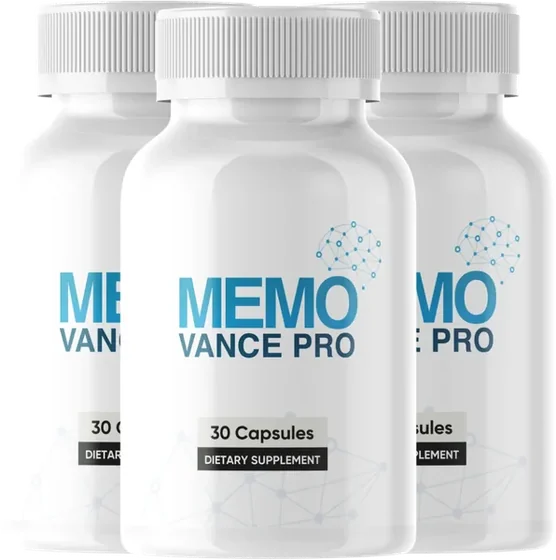
Memovance PRO takes a different route from most of the supplements above. Instead of herbs or omega-3s, it uses amino acids involved in making nitric oxide (L-arginine and L-citrulline), plus beta-alanine, niacin and calcium. The aim is to support healthy blood flow.
Those ingredients have research behind them for circulation and exercise, but little direct memory research, and each capsule contains less than most studies used. It's stimulant-free and fully labeled, and the seller offered a 60-day money-back guarantee at the time of writing. Read our full Memovance PRO review for the ingredient-by-ingredient breakdown.
For more guides on focus, memory and brain health, visit our brain and memory hub.
FAQ
What is the best supplement for memory?
There isn't a single best one. If you're low in vitamin B12, correcting it is the most effective step. For older adults, a daily multivitamin has the strongest large-trial evidence for a modest memory benefit, and bacopa and DHA have some supporting studies. Ask your doctor which, if any, makes sense for you.
Do memory supplements actually work?
Some show small effects in specific groups of people, but NIH reviews conclude there's no proof that any supplement protects against dementia or Alzheimer's disease. When benefits appear, they're usually modest and take weeks to months.
Is ginkgo biloba good for memory?
A large six-year trial in older adults found ginkgo didn't lower the rate of dementia. It can also increase bleeding risk with blood thinners, so check with your doctor before using it.
How long do memory supplements take to work?
Most trials ran from 12 weeks to several years. A fair personal trial is two to three months of steady use. Caffeine is the exception, with effects within an hour that fade the same day.
Are memory supplements safe?
Many are well tolerated, but they can interact with medicines. Ginkgo and high-dose fish oil may raise bleeding risk, and some herbs cause stomach upset. Supplements aren't approved by the FDA for safety and effectiveness before they're sold, so ask your pharmacist to check for interactions.
When should I see a doctor about memory loss?
See a doctor if forgetfulness is getting worse, affects daily tasks or worries the people around you. Many causes, including thyroid problems, low B12, medication side effects, sleep problems and depression, are treatable.
References
- National Center for Complementary and Integrative Health. Dietary Supplements and Cognitive Function, Dementia, and Alzheimer's Disease. NCCIH Clinical Digest, 2022. link
- National Institute on Aging. Memory Problems, Forgetfulness, and Aging. NIA. link
- Yeung LK, Alschuler DM, Wall M, et al. Multivitamin Supplementation Improves Memory in Older Adults: A Randomized Clinical Trial. American Journal of Clinical Nutrition, 2023. link
- Smith AD, Smith SM, de Jager CA, et al. Homocysteine-lowering by B vitamins slows the rate of accelerated brain atrophy in mild cognitive impairment: a randomized controlled trial. PLoS One, 2010. link
- Kongkeaw C, Dilokthornsakul P, Thanarangsarit P, et al. Meta-analysis of randomized controlled trials on cognitive effects of Bacopa monnieri extract. Journal of Ethnopharmacology, 2014. link
- Yurko-Mauro K, McCarthy D, Rom D, et al. Beneficial effects of docosahexaenoic acid on cognition in age-related cognitive decline. Alzheimer's & Dementia, 2010. link
- DeKosky ST, Williamson JD, Fitzpatrick AL, et al. Ginkgo biloba for prevention of dementia: a randomized controlled trial. JAMA, 2008. link
- National Center for Complementary and Integrative Health. Ginkgo: Usefulness and Safety. NCCIH. link
- Mori K, Inatomi S, Ouchi K, et al. Improving effects of the mushroom Yamabushitake (Hericium erinaceus) on mild cognitive impairment: a double-blind placebo-controlled clinical trial. Phytotherapy Research, 2009. link
- Livingston G, Huntley J, Liu KY, et al. Dementia prevention, intervention, and care: 2024 report of the Lancet standing Commission. The Lancet, 2024. link