Supplements for Eye Health: The Nutrients With Real Evidence (and the Hype to Skip)
Which eye vitamins have real evidence and which are hype? A plain-English guide to AREDS2, lutein and zeaxanthin, omega-3s, zinc, vitamin A and popular botanicals.
Reader-supported: if you buy through links on this page, we may earn a commission at no extra cost to you. It never changes what we write. How we research.

In this article
- Quick Answer: Which Eye Vitamins Have Real Evidence?
- AREDS and AREDS2: The Gold Standard, for a Specific Group
- Lutein and Zeaxanthin Benefits
- Omega-3 Fatty Acids: Good Food, Disappointing Pills for Eyes
- Vitamin A and Beta-Carotene
- Zinc and Copper
- Vitamins C and E
- Bilberry, Saffron, Astaxanthin and Other Botanicals
- Screens and Blue Light: Myth vs. Reality
- Who Should Be Careful With Eye Supplements
- How to Choose an Eye Supplement
- Where VisiVra Fits
- Eye Health Supplements FAQ
- The Bottom Line
Key takeaways
- The only eye supplement backed by large, long-term trials is the AREDS2 formula, and it is meant for people with intermediate or advanced age-related macular degeneration (AMD).
- Lutein and zeaxanthin have the best evidence of any single eye nutrient. They build the eye's macular pigment and replaced beta-carotene in AREDS2.
- Omega-3 fish oil capsules did not slow AMD in AREDS2 and did not beat placebo for dry eye in the large DREAM trial.
- Bilberry, ginkgo and most other botanicals have weak or limited evidence.
- No supplement corrects nearsightedness or presbyopia, and none replaces a dilated eye exam.
Eye vitamins fill a crowded shelf, and the labels promise a lot: sharper vision, "blue light defense," healthier retinas. The research tells a narrower and more useful story. A few nutrients have strong evidence for a specific group of people. Some have promising but small studies. Many have little more than tradition behind them.
This guide walks through the main supplements for eye health, nutrient by nutrient, using guidance from the National Eye Institute (NEI) and the American Academy of Ophthalmology (AAO) along with published trials. If you have a diagnosed eye condition or take prescription medication, talk with your eye doctor before adding anything.
Quick Answer: Which Eye Vitamins Have Real Evidence?
| Nutrient | Best evidence for | Evidence rating | Key caveat |
|---|---|---|---|
| AREDS2 formula | Lowering the risk of intermediate AMD progressing to advanced AMD | Strong | Only shown to help people with intermediate or advanced AMD |
| Lutein + zeaxanthin | Macular pigment, contrast, recovery from glare | Moderate | Benefits in AMD seen as part of AREDS2 |
| Zinc (with copper) | AMD progression, as part of AREDS | Strong as part of AREDS | High doses need added copper |
| Vitamins C and E | AMD progression, as part of AREDS | Moderate, in combination only | Alone, they haven't kept AMD from developing |
| Vitamin A | Night vision when deficient | Strong for deficiency | Deficiency is rare in the US |
| Omega-3 (fish oil) | Dry eye, AMD | Weak | Large trials were negative |
| Saffron | Retinal function in mild AMD | Limited | Small, short trials |
| Astaxanthin | Eye fatigue after screen use | Limited | Small, often industry-funded |
| Bilberry | Night vision | Weak | Best trials found no benefit |
| Ginkgo biloba | AMD, circulation | Very limited | Bleeding risk with blood thinners |
| Eyebright | Traditional use for tired eyes | Very limited | No good oral trials |
AREDS and AREDS2: The Gold Standard, for a Specific Group
Most of what we know about eye vitamins comes from two large NEI trials.
AREDS enrolled 4,757 people aged 55 to 80 between 1992 and 1998 and followed them for five years. Participants took a high-dose combination of antioxidants (vitamins C and E and beta-carotene) with zinc and copper, or parts of it, or a placebo. In people at high risk, meaning those with intermediate AMD or advanced AMD in one eye, the full formula lowered the risk of developing advanced AMD by about 25% and the risk of central vision loss by 19%. None of the formulations reduced cataract risk.
AREDS2 began in 2006 with 4,203 people aged 50 to 85, all with intermediate AMD in both eyes or advanced AMD in one eye. It tested adding lutein and zeaxanthin or omega-3s to the AREDS formula, removing beta-carotene and lowering zinc. Adding omega-3s or lutein and zeaxanthin made no overall difference. But swapping beta-carotene for lutein and zeaxanthin worked at least as well, and people with low dietary lutein seemed to benefit most. Former smokers who took beta-carotene had more lung cancer, and a 10-year follow-up found beta-carotene nearly doubled lung cancer risk while lutein and zeaxanthin did not raise it.
That is why today's recommended formula is AREDS2:
| Nutrient | AREDS formula | AREDS2 formula |
|---|---|---|
| Vitamin C | 500 mg | 500 mg |
| Vitamin E | 400 IU | 400 IU |
| Beta-carotene | 15 mg | None |
| Lutein | None | 10 mg |
| Zeaxanthin | None | 2 mg |
| Zinc | 80 mg | 80 mg |
| Copper | 2 mg | 2 mg |
Who AREDS2 is for, and who it isn't
According to the NEI, the formulas benefited people with intermediate or late AMD. There was no benefit for people with early AMD or no AMD, and the supplements did not keep AMD from developing in the first place. A Cochrane review of trials in the general population reached a similar conclusion: vitamin E, vitamin C or beta-carotene supplements alone did not lower the chance of developing AMD.
A few practical points from the NEI:
- A standard multivitamin can't substitute for AREDS2. The trial doses are much higher, and most participants took a multivitamin as well.
- Diet alone can't easily reach AREDS2 levels, although diets rich in leafy greens are linked to lower AMD risk.
- Only a dilated eye exam can tell you whether you have intermediate AMD. Ask your eye doctor before starting a high-dose formula.
Lutein and Zeaxanthin Benefits
Lutein and zeaxanthin are yellow carotenoids found in leafy greens, corn and egg yolks. Unlike beta-carotene, they concentrate in the retina and lens. In the macula they form the macular pigment, where, according to the NEI, they may act as natural antioxidants and help absorb high-energy blue and ultraviolet light.
What the research shows:
- AMD: In AREDS2, lutein and zeaxanthin proved an appropriate replacement for beta-carotene, with the clearest benefit in people who ate little of them.
- Visual performance: Small placebo-controlled trials in healthy adults show that lutein and zeaxanthin raise macular pigment over months, with subtle improvements in contrast and glare recovery in some studies. These are measurable lab effects, not dramatic changes in eyesight.
- Cataract: Adding lutein and zeaxanthin had no overall effect on the need for cataract surgery in AREDS2.
The research dose is 10 mg of lutein and 2 mg of zeaxanthin a day. Both are generally well tolerated, and unlike beta-carotene they have not been tied to higher lung cancer risk. They're absorbed best with a meal that contains some fat.
Omega-3 Fatty Acids: Good Food, Disappointing Pills for Eyes
Omega-3s, especially DHA, are part of the cell membranes in the retina, so the idea that fish oil helps the eyes makes sense on paper. The large trials have been disappointing.
- AMD: In AREDS2, 1 gram a day of omega-3s (650 mg EPA plus 350 mg DHA) did not change the risk of advanced AMD, and NEI says omega-3 supplements did not affect cataract or AMD.
- Dry eye: In the NEI-funded DREAM trial, 535 people with moderate to severe dry eye took 3,000 mg of omega-3s or an olive oil placebo for 12 months. Symptoms improved about equally in both groups, and signs such as tear production and corneal staining showed no difference.
Smaller trials have produced mixed results, so the evidence for fish oil capsules in dry eye remains uncertain.
Eating fish is a different matter. Observational studies link eating oily fish at least twice a week to lower AMD risk, and the AAO recommends a Mediterranean-style diet that includes fish. If you like salmon or sardines, keep eating them. Just don't expect a fish oil capsule to fix dry eyes.
Vitamin A and Beta-Carotene
Vitamin A is essential for vision. The retina uses it to convert light into nerve signals, and a deficiency causes night blindness and dry eyes. In the United States, though, vitamin A deficiency is rare. If you already get enough, taking more won't sharpen your eyesight, and too much preformed vitamin A can cause serious illness.
Beta-carotene is the plant form your body converts to vitamin A. It deserves a specific warning. During AREDS, two large cancer trials funded by the National Cancer Institute found that high-dose beta-carotene supplements increased lung cancer risk in smokers, and AREDS2 later found more lung cancer in former smokers who took it. That is why current and former smokers should use the AREDS2 formula, not the original AREDS formula with beta-carotene.
Beta-carotene from food, such as carrots and sweet potatoes, is not the concern. The warnings apply to high-dose supplements.
Zinc and Copper
Zinc is a key part of the AREDS formulas and plays a role in keeping the retina healthy. The AREDS dose of 80 mg a day is far above the daily requirement (11 mg for adult men and 8 mg for adult women), and AREDS2 found that 25 mg worked about as well as 80 mg.
High-dose zinc has trade-offs. Taken for a long time, it can lower copper levels, which is why the AREDS formulas add 2 mg of copper. Large doses can also cause stomach upset. Most people without AMD get enough zinc from food such as oysters, beef, poultry, beans and fortified cereals.
Vitamins C and E
Vitamins C and E are antioxidants and are part of both AREDS formulas. Their benefit was seen in combination with zinc and the other nutrients, at high doses, in people with intermediate AMD. On their own, large trials in the general population found that vitamin C or E supplements did not lower the chance of developing AMD, and neither AREDS formula reduced cataract.
Bilberry, Saffron, Astaxanthin and Other Botanicals
Many eye formulas add plant extracts. Here's how the most common ones stack up.
Bilberry. Bilberry's reputation comes partly from a story about World War II pilots eating bilberry jam to see better at night. According to the National Center for Complementary and Integrative Health (NCCIH), the most rigorous studies have not found bilberry effective for night vision in healthy people. It appears well tolerated at research doses.
Saffron. Small randomized trials in people with early or mild to moderate AMD, typically using 20 mg a day for a few months, have found modest improvements in measures of retinal function. Promising, but the trials are small and short.
Astaxanthin. This red algae carotenoid has been tested mostly for eye fatigue after screen work. A few small trials, often funded by manufacturers, report fewer symptoms and better focusing. The evidence is thin.
Ginkgo biloba. Only a couple of small trials have looked at ginkgo in AMD, too few to draw conclusions. Ginkgo may increase bleeding risk with blood thinners.
Eyebright. Used for centuries for tired eyes, but there are no good-quality trials of eyebright taken by mouth.
The bigger issue with botanical formulas is dose. Many list these extracts inside a "proprietary blend" without individual amounts, so you can't compare them with the doses used in research.
Screens and Blue Light: Myth vs. Reality
"Blue light protection" is one of the most common claims on eye supplement labels. Here's what eye doctors actually say.
- Screens aren't damaging your retina. The AAO says there is no scientific evidence that blue light from digital devices causes damage to the eye. The sun is a far bigger source of blue light than any screen.
- Screen discomfort is real, but it's eye strain. We blink less when we stare at screens, which leads to tired, dry, uncomfortable eyes. The fix is behavioral: the 20-20-20 rule (every 20 minutes, look at something 20 feet away for 20 seconds), artificial tears and better screen setup.
- Blue-light glasses don't help much. A 2023 Cochrane review found that blue-light filtering lenses may not reduce eye strain from computer use, and the AAO does not recommend them.
- Blue light can affect sleep. Late-night screen use can make it harder to fall asleep, so limit screens before bed or use night settings.
Lutein and zeaxanthin do filter blue light inside the eye. That's a real biological fact, but it doesn't mean you need a supplement to protect yourself from your phone.
Who Should Be Careful With Eye Supplements
- Current and former smokers: avoid high-dose beta-carotene. Choose AREDS2 if your doctor recommends an AREDS-type formula.
- People on blood thinners: ginkgo may raise bleeding risk. Review any eye formula with your doctor or pharmacist.
- People stacking products: an eye vitamin plus a multivitamin plus a zinc tablet can push zinc and vitamin A well above what you need.
- Pregnant or breastfeeding women, and children: most eye formulas aren't intended for you. Ask your doctor first.
- Anyone with a diagnosed eye disease: supplements support, but don't replace, the treatment plan from your eye doctor.
How to Choose an Eye Supplement
- Start with the reason. If you have intermediate or advanced AMD, ask your eye doctor about AREDS2. If you have healthy eyes, food comes first.
- Look for disclosed doses. The research benchmark is 10 mg of lutein and 2 mg of zeaxanthin. Proprietary blends hide amounts.
- Check the vitamin A source. If you smoke or used to, avoid high-dose beta-carotene.
- Add up your totals. Count zinc, vitamin A and selenium across every product you take.
- Look for third-party testing. Seals from independent testing programs confirm the label matches the bottle.
- Be skeptical of big promises. Claims that a pill will give you perfect vision or let you throw away your glasses are red flags. Supplements aren't approved by the FDA before they're sold.
- Read the guarantee. Know the refund window and terms before you buy a multi-month supply.
Where VisiVra Fits
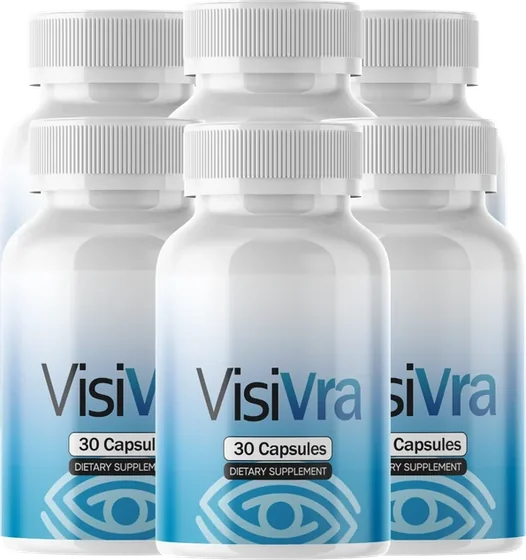
VisiVra is a once-daily capsule that pairs everyday doses of vitamins A, C and E, zinc, copper and selenium with a 351 mg blend that includes lutein, zeaxanthin, saffron, astaxanthin and bilberry. It isn't an AREDS2 formula, and the blend doesn't disclose individual amounts, so it's best viewed as broad nutritional support for adults without diagnosed AMD. Our full VisiVra review covers each ingredient, the price and the guarantee.
Safety first
See an eye doctor promptly, or go to an emergency room, if you notice sudden vision loss or blurring, flashes of light, a sudden shower of new floaters, a dark shadow or curtain across your vision, or eye pain. These can be signs of retinal detachment or other urgent problems, and no supplement can address them.
Eye Health Supplements FAQ
What is the best vitamin for your eyes?
There's no single best vitamin for everyone. For people with intermediate or advanced AMD, the AREDS2 combination has the strongest evidence. For healthy eyes, lutein and zeaxanthin have the most research, and a diet rich in leafy greens, colorful produce and fish covers the basics.
Do eye vitamins actually work?
AREDS2 works for a specific group: people with intermediate or advanced AMD, where it lowered the risk of progression by about 25%. For people with healthy eyes, eye vitamins haven't been shown to keep eye disease from developing.
Should I take AREDS2 if I don't have macular degeneration?
The AREDS trials found no benefit for people without AMD or with early AMD. Ask your eye doctor, who can tell you whether you have AMD and at what stage.
Can supplements improve my eyesight?
Not if your blurry vision comes from nearsightedness, farsightedness, astigmatism or presbyopia. Glasses, contacts or surgery correct those. Supplements can only fill nutritional gaps.
Are lutein and zeaxanthin safe to take every day?
At the research dose of 10 mg of lutein and 2 mg of zeaxanthin, they've been well tolerated in large trials and weren't linked to the lung cancer risk seen with beta-carotene. Check with your doctor if you take other medications.
Is fish oil good for dry eyes?
The large DREAM trial found that fish oil capsules worked no better than placebo for dry eye. Artificial tears and a visit to your eye doctor are better first steps.
The Bottom Line
For most people with healthy eyes, the best eye vitamins come from food: leafy greens, colorful produce, eggs, nuts, beans and fish. If you have intermediate or advanced AMD, AREDS2 is the one formula with strong evidence, and your eye doctor should guide that choice. Everything else, from bilberry to blue-light blends, ranges from promising to unproven.
See our list of 15 foods good for your eyes, our VisiVra review, or browse all eye health articles. This guide is general information, not medical advice; please read our medical disclaimer.
References
- National Eye Institute. AREDS/AREDS2 Clinical Trials. NEI, 2025. link
- National Eye Institute. AREDS/AREDS2 Frequently Asked Questions. NEI. link
- Age-Related Eye Disease Study Research Group. A randomized, placebo-controlled, clinical trial of high-dose supplementation with vitamins C and E, beta carotene, and zinc for age-related macular degeneration and vision loss: AREDS report no. 8. Archives of Ophthalmology, 2001. link
- Age-Related Eye Disease Study 2 Research Group. Lutein + zeaxanthin and omega-3 fatty acids for age-related macular degeneration: the Age-Related Eye Disease Study 2 (AREDS2) randomized clinical trial. JAMA, 2013. link
- Chew EY, et al. Long-term Outcomes of Adding Lutein/Zeaxanthin and ω-3 Fatty Acids to the AREDS Supplements on Age-Related Macular Degeneration Progression: AREDS2 Report 28. JAMA Ophthalmology, 2022. link
- Evans JR, Lawrenson JG. Antioxidant vitamin and mineral supplements for preventing age-related macular degeneration. Cochrane Database of Systematic Reviews, 2017. link
- Dry Eye Assessment and Management Study Research Group. n-3 Fatty Acid Supplementation for the Treatment of Dry Eye Disease. New England Journal of Medicine, 2018. link
- American Academy of Ophthalmology. Should You Be Worried About Blue Light? AAO, 2021. link
- Singh S, et al. Blue-light filtering spectacle lenses for visual performance, sleep, and macular health in adults. Cochrane Database of Systematic Reviews, 2023. link
- National Center for Complementary and Integrative Health. Bilberry: Usefulness and Safety. NCCIH. link