Natural GLP-1: 9 Evidence-Based Ways to Support Your Body's Own GLP-1
GLP-1 is a gut hormone your body already makes after every meal. Here are 9 habits with real research behind them, an honest look at "natural GLP-1 boosters," and what they can't do compared with prescription drugs.
Reader-supported: if you buy through links on this page, we may earn a commission at no extra cost to you. It never changes what we write. How we research.
In this article
GLP-1 became a household word thanks to prescription drugs that copy it. That raises a fair question: if your body already makes GLP-1, can you get more of it naturally?
Yes, a little. What you eat, the order you eat it in, how fast you eat and how you live all shape your own GLP-1 response after meals. The effects are real but modest, and they work on a very different scale from medication. Here's what GLP-1 does, the nine habits with the best evidence, what the research says about "natural GLP-1 boosters," and where the limits are.
Key takeaways
- GLP-1 is a hormone your gut releases after you eat. It helps release insulin, slows stomach emptying and helps you feel full.
- Your own GLP-1 is broken down within minutes, so natural approaches strengthen a short after-meal signal. They don't copy prescription GLP-1 drugs.
- The best-supported habits: protein at meals, vegetables and protein before carbs, plenty of fiber, unsaturated fats, eating slowly and fewer ultra-processed foods.
- Berberine, cinnamon and chromium have weak evidence for blood sugar and little direct evidence for GLP-1 in people.
What Is GLP-1, in Plain Words?
GLP-1 (glucagon-like peptide-1) is a hormone made by cells in the lining of your intestine, called L-cells. They release it when food reaches your gut. According to Cleveland Clinic, GLP-1 has four main jobs:
- It tells the pancreas to release insulin, which moves sugar from your blood into your cells.
- It blocks glucagon, a hormone that tells the liver to release more sugar.
- It slows stomach emptying, so sugar from a meal reaches your blood more gradually.
- It signals fullness to the brain, which helps you stop eating sooner.
Natural GLP-1 is also very short-lived. A review in Physiological Reviews explains that an enzyme called DPP-4 breaks it down extremely fast, often before the hormone has even left the gut. Much of its effect is a quick signal sent around mealtime.
So "boosting GLP-1 naturally" really means getting a stronger GLP-1 response to your meals. That's a realistic goal. Reaching drug-like levels with food is not.
9 Evidence-Based Ways to Support Your Body's Own GLP-1
These habits come from human studies wherever possible. Most of those trials are small and short, so treat them as useful signals, not guarantees.
1. Put Protein in Every Meal
Protein is one of the strongest food triggers for GLP-1. In a randomized trial of 15 adults with well-controlled type 2 diabetes, drinking 50 grams of whey protein shortly before a high-sugar breakfast raised total GLP-1 by 141% compared with water. Blood sugar over the next three hours was 28% lower, and insulin was higher.
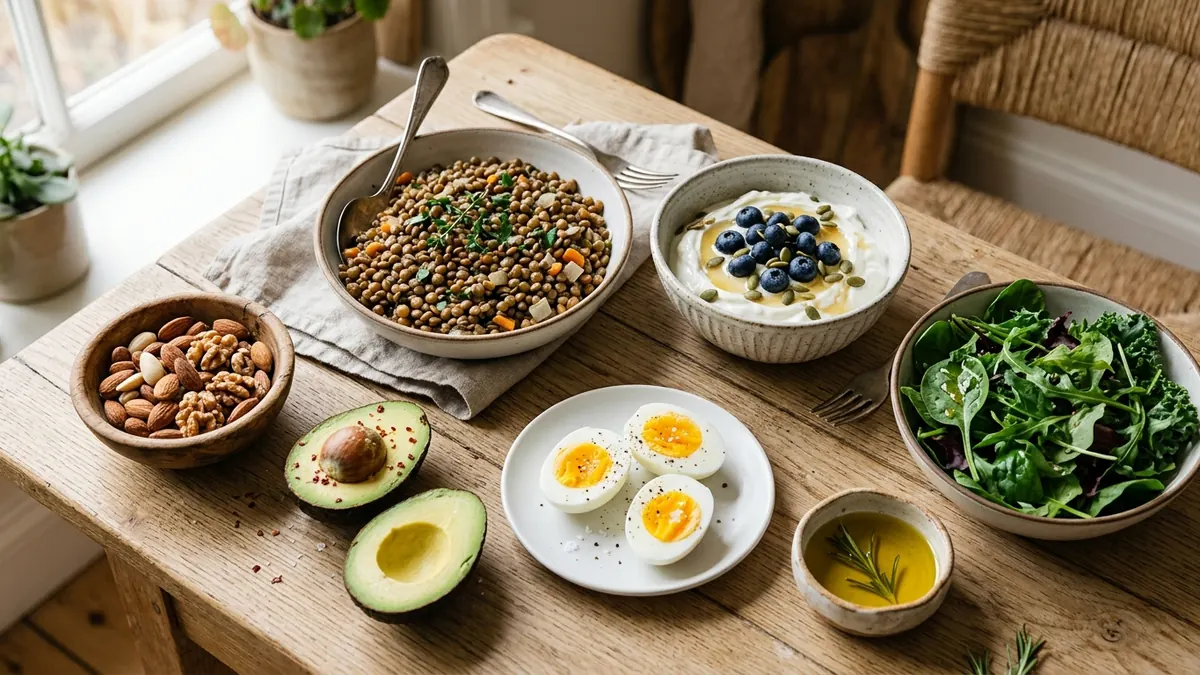
That was a large dose in a hospital setting, so don't read it as "drink a shake before every meal." The takeaway is simpler: meals built around a real portion of protein produce a better hormone response than carb-only meals. Think eggs, Greek yogurt, fish, chicken, tofu, cottage cheese, beans or lentils. If you have kidney disease, ask your doctor how much protein is right for you.
2. Eat Vegetables and Protein Before Carbs
Meal order is one of the easiest changes, because you don't have to change what you eat. In a Weill Cornell study, 16 people with type 2 diabetes ate the same meal three ways. When they ate protein and vegetables first and carbohydrates 10 minutes later, the blood sugar rise was 53% smaller than when they ate the carbs first. GLP-1 was also higher with the carbs-last order.
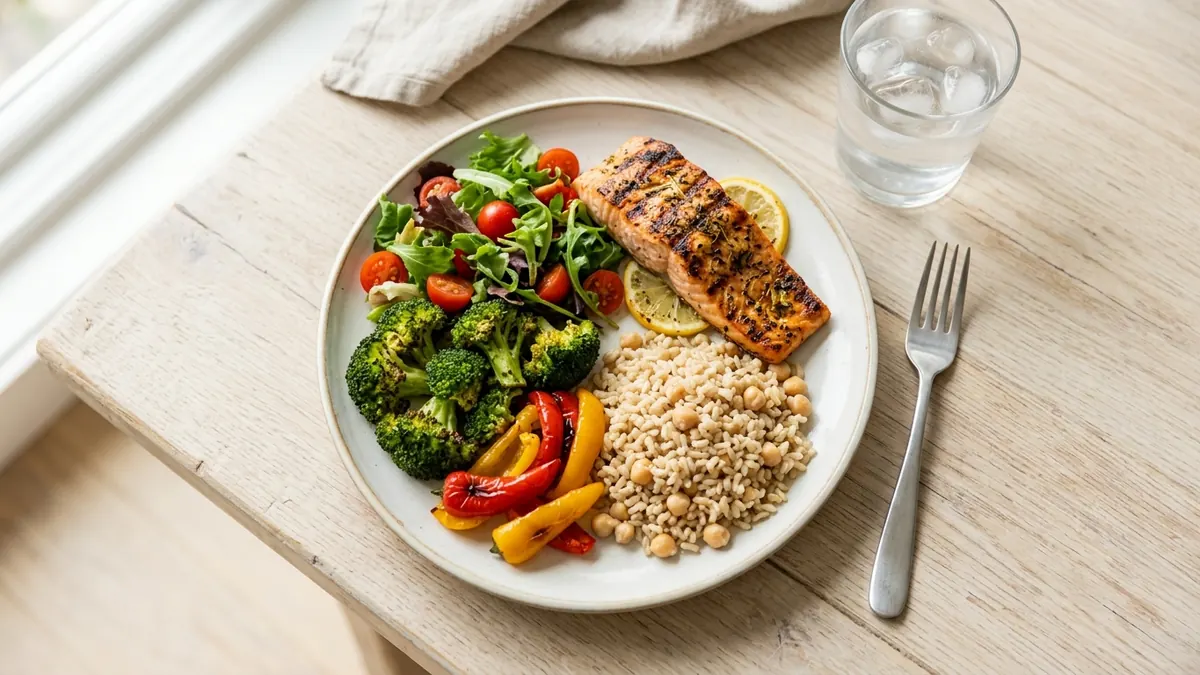
In practice: start with the vegetables, then the chicken, fish or beans, and finish with the rice, bread, pasta or potatoes.
3. Eat More Fiber, Including the Kind Gut Bacteria Ferment
When certain fibers reach the colon, gut bacteria ferment them into short-chain fatty acids. In lab and mouse research published in Diabetes, these fatty acids triggered GLP-1 release directly from L-cells, and mice missing the receptors that sense them released less GLP-1 and handled glucose worse.
That's mechanism research, not proof that a bowl of beans raises your GLP-1 by a set amount. But fiber's benefits for blood sugar in people are well documented. Two types are worth eating daily:
- Fermentable fibers and resistant starch: beans, lentils, oats, barley, onions, garlic, leeks, slightly green bananas, and potatoes or rice that were cooked and cooled.
- Viscous (gel-forming) fibers: oats, barley, psyllium, chia, flaxseed and legumes. They thicken what's in your gut and slow how fast sugar is absorbed.
Add fiber gradually and drink enough water to avoid gas and bloating.
4. Add Fermented Foods for Your Gut Microbiome
Because GLP-1 cells sit in the gut lining and respond to what gut bacteria produce, the microbiome gets a lot of attention in this space. Yogurt with live cultures, kefir, sauerkraut, kimchi and miso are reasonable foods to include.
Be realistic, though. Human studies showing that fermented foods or probiotic pills meaningfully raise GLP-1 are limited, and results depend on the bacterial strain. Fiber (step 3) is still the bigger lever for your gut bacteria.
5. Make Olive Oil, Nuts and Avocado Your Main Fats
The type of fat seems to matter. In a small study of 10 healthy young adults, a carbohydrate meal with olive oil produced higher GLP-1 than the same meal with butter, along with a better blood-fat pattern.
The fat doses in that study were very large, so the point isn't to add extra oil. It's to swap fats: olive oil instead of butter, a handful of nuts instead of chips, avocado instead of processed spreads. Nuts also bring protein and fiber.
6. Slow Down at Meals
In a study of 17 healthy men, eating the same portion of ice cream over 30 minutes instead of 5 minutes produced about 40% more GLP-1 over the following hours. Another fullness hormone, PYY, was also higher.
Put your fork down between bites, eat away from screens when you can, and give meals at least 15 to 20 minutes.
7. Cut Back on Ultra-Processed Foods
Packaged snacks, sweetened drinks and many ready meals are easy to eat fast and easy to overeat. In a tightly controlled NIH trial, 20 adults lived at the NIH Clinical Center and ate an ultra-processed diet and a minimally processed diet for two weeks each. The diets were matched for calories offered, sugar, fat and fiber. On the ultra-processed diet, people ate about 500 more calories a day and gained weight. On the minimally processed diet, they lost weight.
That study measured appetite and calories, not GLP-1 specifically. But it shows that how food is processed changes how much people eat, which is the same problem GLP-1 helps regulate.
8. Move Your Body, Especially After Meals
Exercise earns its place less for GLP-1 itself (research on exercise and GLP-1 levels is limited and inconsistent) and more because it works toward the same goal. Working muscles pull sugar out of the blood, and regular activity makes your body more sensitive to insulin. A 10- to 15-minute walk after your largest meal is an easy start, plus strength training two or three times a week.
9. Protect Your Sleep
Short sleep is linked to worse blood sugar control and stronger hunger the next day. Most adults need at least seven hours. Keep a regular bedtime, limit caffeine after midday and keep alcohol modest. Our guide on how to lower blood sugar naturally covers the sleep research, along with the fiber and A1C data.
What About "Natural GLP-1 Booster" Supplements?
Many supplements are sold as natural GLP-1 boosters. The National Center for Complementary and Integrative Health (NCCIH), part of the NIH, sums up the evidence for diabetes supplements this way: for a few, such as chromium, cinnamon and berberine, there is weak evidence of a possible benefit for blood sugar, and most studies are too small or too different from each other to support clear conclusions. Most of that research also measured blood sugar, not GLP-1.
| Supplement | Marketed for | What the research shows | Evidence |
|---|---|---|---|
| Berberine | "Natural GLP-1" | A 2021 review of 46 studies found it may lower blood sugar and insulin resistance in type 2 diabetes; most studies came from one country and some were poor quality | Weak to moderate for blood sugar; limited for GLP-1 |
| Cinnamon | Blood sugar spikes | A 2019 review of 16 studies found lower fasting glucose, with wide differences in dose and product | Weak |
| Chromium | Carb metabolism, cravings | A 2022 review of 16 studies suggested it may improve A1C and fasting glucose | Weak |
| Probiotics | Gut health, GLP-1 | Results depend on the strain; human GLP-1 data are limited | Weak |
| Yerba mate | Appetite, GLP-1 | The GLP-1 link comes mainly from a mouse study | Very weak |
| Psyllium and other gel-forming fiber | Fullness, blood sugar | Trials in type 2 diabetes show modest drops in A1C and fasting glucose | Moderate for blood sugar |
Notice that the most consistent results belong to plain fiber, not an exotic extract. Safety notes from NCCIH worth knowing before you buy:
- Berberine often causes digestive upset, can interact with medicines, and should not be used during pregnancy or breastfeeding.
- Cassia cinnamon, the most common type in the US, contains coumarin, which may worsen liver disease in large amounts.
- Chromium at large doses has rare reports of kidney and liver damage.
- Any of them can add to the effect of diabetes medicine.
The FDA also warns about products claiming to be a "natural diabetes cure" or to "replace your diabetes medicine." Treat those claims as a red flag.
Where GLPro Fits
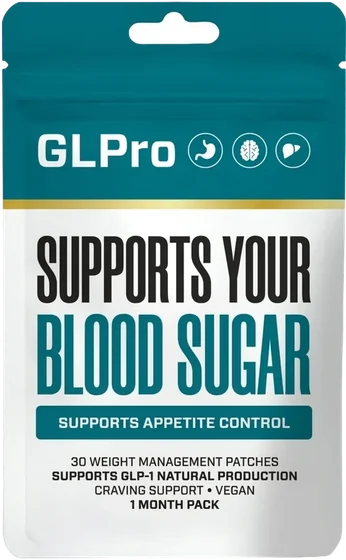
Some people want the habits above plus a simple daily product. GLPro is one option in a newer category: a needle-free patch worn on the skin. The manufacturer says it delivers a plant-based blend through the skin to support healthy blood sugar, appetite control and the body's natural GLP-1 production.
What we know and don't know: we found no published clinical trials of GLPro itself, and the official order page we checked doesn't list a full ingredient panel with amounts. Most botanicals discussed above were studied as foods or pills, not through the skin. If you're curious, treat GLPro as a convenience add-on to the habits in this guide, not a replacement, and review the full label with your doctor if you take medication.
For claims, price and who it suits, read our GLPro review. For the category as a whole, see GLP-1 patches: what they are, what's inside, and do they work?
What Natural Approaches Can't Do
Prescription GLP-1 medicines are built to resist the enzyme that destroys natural GLP-1 within minutes. That lets them keep GLP-1 receptors active around the clock at levels your gut can't reach after a meal. Food and habits make your own short after-meal signal work a bit better. They don't turn it into a drug.
| Natural approaches | Prescription GLP-1 medicines | |
|---|---|---|
| How they work | Strengthen your own meal-time GLP-1 release | Copy GLP-1 and stay active for hours or days |
| Size of effect | Modest and gradual | Large, with proven drops in A1C and body weight |
| Evidence | Small, short studies for GLP-1 itself; strong data for diet and activity overall | Large clinical trials and FDA approval for specific uses |
| Side effects | Usually mild, such as gas when adding fiber | Nausea and digestive issues are common; rare serious ones exist |
The habits still matter. Protein, fiber, meal order and movement help your blood sugar whether or not you ever take a GLP-1 drug, and people who take those drugs are still advised to eat well and stay active. Just set the right expectations: natural GLP-1 support means steadier days, not dramatic results.
Safety first
This article is general information, not medical advice. If you have diabetes or prediabetes, or take insulin, a sulfonylurea or any other glucose-lowering medicine, talk to your doctor before making big diet changes or adding supplements. Combining them can push blood sugar too low (hypoglycemia). Never stop or reduce a prescribed medication on your own. Check with your doctor first if you are pregnant or breastfeeding, have kidney or liver disease, or take other regular medicines. Read our full medical disclaimer.
FAQ
What is the most natural way to increase GLP-1?
Food is the main lever. Meals with a solid portion of protein, plenty of fiber, and vegetables eaten before the carbohydrates have the best human evidence for a stronger GLP-1 response. Eating slowly helps too.
Which foods boost GLP-1 the most?
Protein (whey protein has the most data), fiber-rich foods (beans, lentils, oats, barley, vegetables) and unsaturated fats such as olive oil have been linked to better GLP-1 responses in studies. No single food acts like medication, so the overall meal matters most.
Is berberine a natural GLP-1?
No. Berberine has some evidence for lowering blood sugar in type 2 diabetes, but it isn't GLP-1 and doesn't work like GLP-1 drugs. It can cause stomach upset and interact with medicines.
Can natural GLP-1 boosters replace semaglutide or other GLP-1 drugs?
No. Natural GLP-1 is broken down within minutes, while the medicines are designed to act around the clock. Never switch or stop a medicine without your doctor.
How long do natural GLP-1 habits take to work?
Meal order and eating slowly affect your response at the very next meal. Changes in fasting blood sugar and A1C take weeks to months, since A1C reflects roughly a three-month average.
Do GLP-1 patches work?
There is little published research on botanical GLP-1 patches, and most of the plant compounds they mention were studied as foods or pills. Our GLP-1 patches article covers what is and isn't known.
Are natural GLP-1 supplements safe with diabetes medication?
They can add to your medicine's effect and raise the risk of low blood sugar, especially with insulin or sulfonylureas. Ask your doctor or pharmacist before combining them.
For more, browse our blood sugar guides.
References
- Cleveland Clinic. GLP-1 Agonists: What They Are, How They Work and Side Effects. Cleveland Clinic Health Library. link
- Holst JJ. The physiology of glucagon-like peptide 1. Physiological Reviews, 2007. link
- Jakubowicz D, Froy O, Ahrén B, et al. Incretin, insulinotropic and glucose-lowering effects of whey protein pre-load in type 2 diabetes: a randomised clinical trial. Diabetologia, 2014. link
- Shukla AP, Andono J, Touhamy SH, et al. Carbohydrate-last meal pattern lowers postprandial glucose and insulin excursions in type 2 diabetes. BMJ Open Diabetes Research and Care, 2017. link
- Tolhurst G, Heffron H, Lam YS, et al. Short-chain fatty acids stimulate glucagon-like peptide-1 secretion via the G-protein-coupled receptor FFAR2. Diabetes, 2012. link
- Thomsen C, Rasmussen O, Lousen T, et al. Differential effects of saturated and monounsaturated fatty acids on postprandial lipemia and incretin responses in healthy subjects. American Journal of Clinical Nutrition, 1999. link
- Kokkinos A, le Roux CW, Alexiadou K, et al. Eating slowly increases the postprandial response of the anorexigenic gut hormones, peptide YY and glucagon-like peptide-1. Journal of Clinical Endocrinology and Metabolism, 2010. link
- Hall KD, Ayuketah A, Brychta R, et al. Ultra-processed diets cause excess calorie intake and weight gain: an inpatient randomized controlled trial of ad libitum food intake. Cell Metabolism, 2019. link
- National Center for Complementary and Integrative Health (NCCIH). Diabetes and Dietary Supplements: What You Need To Know. NIH. link
- Hussein GM, Matsuda H, Nakamura S, et al. Mate tea (Ilex paraguariensis) promotes satiety and body weight lowering in mice: involvement of glucagon-like peptide-1. Biological and Pharmaceutical Bulletin, 2011. link